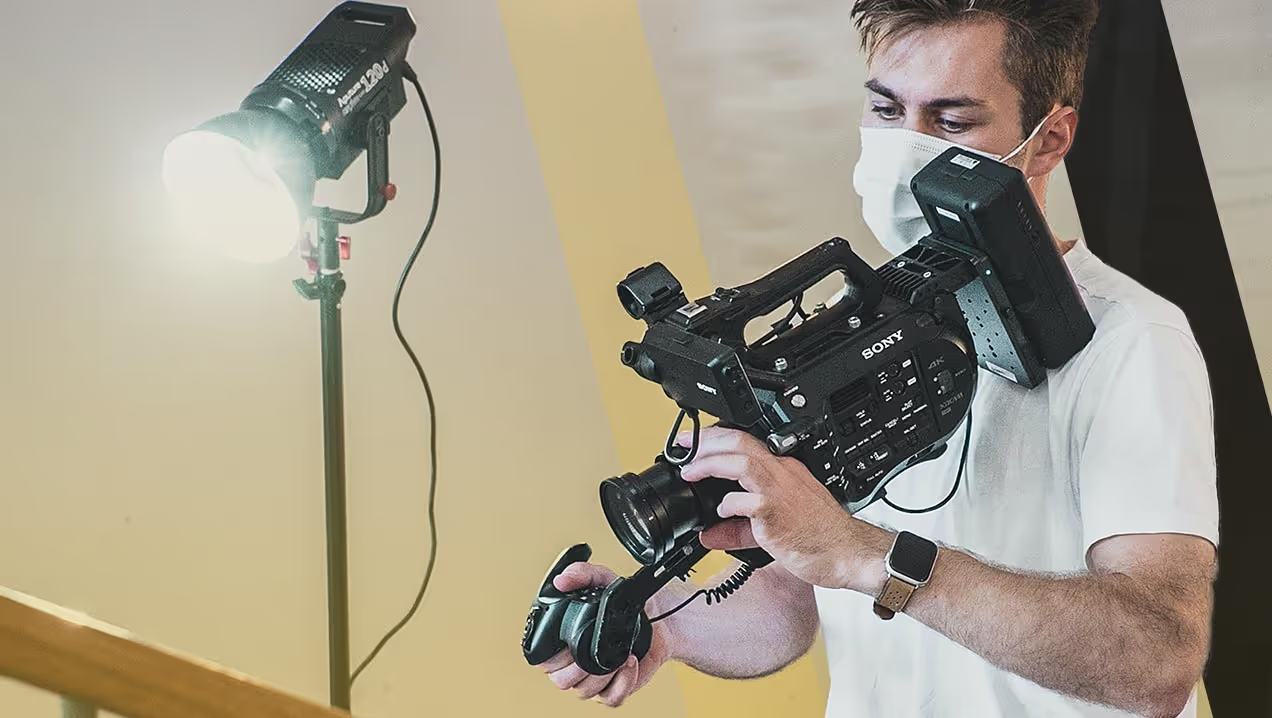
Vertical Video is Changing Production.
Social media has made vertical video the default — but producing it isn’t always as simple as turning a camera sideways.

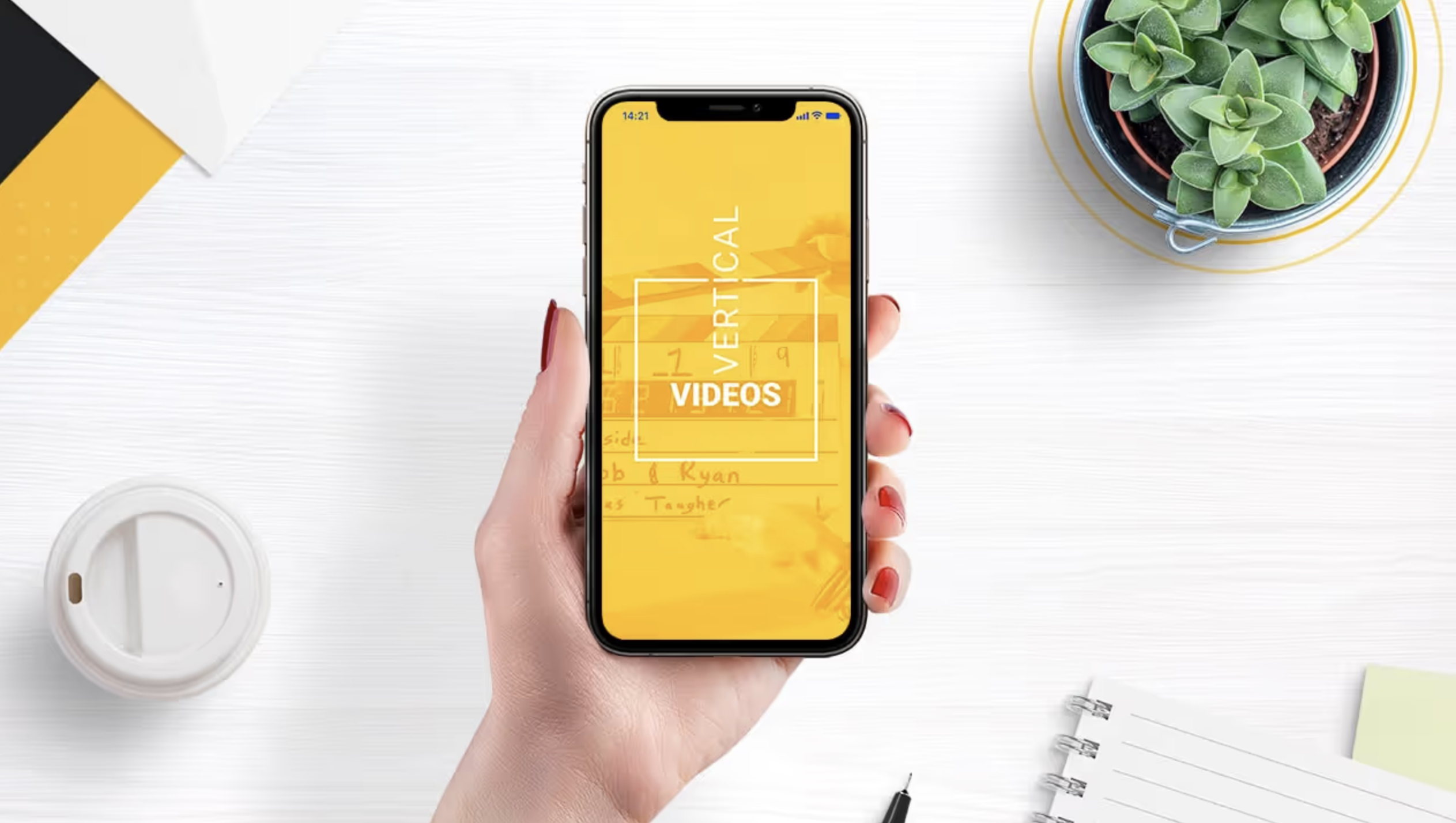

Traditional video production has long been built around a horizontal 16:9 frame.
Vertical video forces producers to rethink composition:
• how subjects fit in the frame
• how movement works
• where captions and graphics appear
Scenes that work well horizontally don’t always translate easily into a vertical format.
Organizations rarely produce video for just one platform anymore.
A single shoot might need content for:
• websites
• YouTube
• LinkedIn
• Instagram Reels
That means producers often plan for both horizontal and vertical formats during the same shoot, which adds complexity to both filming and editing.
Vertical video isn’t a trend — it’s part of the modern media landscape.
The key is planning for it early in the production process, rather than trying to adapt horizontal footage later.
When producers and communication teams plan together from the start, video becomes far easier to use across the platforms where audiences actually watch.
Mustard Productions helps Calgary organizations create clear, practical video for marketing, internal communications, and leadership messaging.


.svg)